Understanding Automotive Paint: What Makes It Last
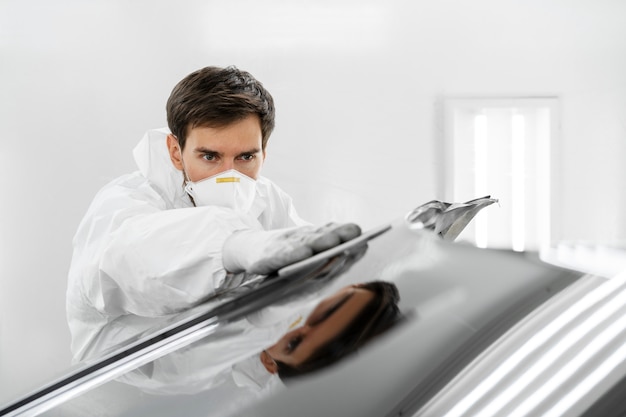
When it comes to maintaining the appearance of your vehicle, few things are as important as the quality and durability of the automotive paint. A high-quality paint job not only enhances the aesthetic appeal of the car but also plays a crucial role in protecting the underlying metal from environmental elements. However, automotive paint lasting power varies greatly depending on several factors, including the type of paint used, application methods, and how well the paint is maintained. In this guide, we’ll explore what makes paint last, delve into the car paint longevity secrets, and offer durable automotive paint tips to help keep your car looking pristine for years to come.
The Science Behind Automotive Paint Durability
To understand why some automotive paint lasts longer than others, it’s important to first look at the science behind paint formulation. Automotive paint is typically composed of pigments, resins, solvents, and additives. The combination of these ingredients determines the paint’s ability to withstand harsh weather conditions, UV rays, and physical wear.
What makes paint last depends largely on the type of resin used. For instance, polyurethane-based paints are known for their high durability and resistance to UV rays. This makes them ideal for car exteriors that are frequently exposed to sunlight. Similarly, acrylic paints are favored for their ease of application, but they may not offer the same level of durability as their polyurethane counterparts.
The application process also plays a vital role in the longevity of automotive paint. When paint is applied correctly, the bonding process between the paint and the metal substrate ensures better adhesion, which ultimately leads to a longer-lasting finish. If paint is applied unevenly or in harsh conditions, it is more likely to peel, crack, or fade prematurely.
The Role of Clear Coat in Paint Longevity
One of the most important elements that contribute to automotive paint lasting power is the use of a clear coat. The clear coat is a protective layer that is applied over the base color coat. It serves multiple purposes: providing a glossy finish, enhancing depth of color, and acting as a barrier against environmental damage. Without a clear coat, the paint would be far more vulnerable to the damaging effects of UV radiation, rain, dirt, and road salts.
A high-quality clear coat protects the underlying paint from oxidation and fading caused by UV exposure. It also helps to resist scratches, dings, and chips from everyday wear and tear. Regular maintenance of the clear coat, such as polishing and waxing, can further enhance its protective properties and increase the overall longevity of the paint.
Environmental Factors Affecting Paint Durability
Even the best automotive paint can suffer from the ravages of time, especially when exposed to harsh environmental factors. Sunlight, moisture, dirt, road salts, and pollution can all contribute to the degradation of car paint.
One of the primary enemies of car paint is UV radiation. Prolonged exposure to the sun causes the paint to oxidize, resulting in fading and a dull appearance. Car paint longevity secrets lie in protecting the paint from direct sun exposure as much as possible. Parking in shaded areas or using car covers can significantly reduce the impact of UV damage. In addition to UV rays, acid rain and road salts can also accelerate the corrosion of the paint, especially in colder climates. Regular cleaning is essential to remove these contaminants and prevent them from eating away at the paint’s protective layers.
How to Maintain Automotive Paint for Longevity
To maximize the automotive paint lasting power, proper maintenance is key. The following tips can help you protect your car’s paint and extend its lifespan:
Regular Washing
Dirt and grime buildup can slowly degrade the paint over time. Washing your car regularly helps remove contaminants that may be contributing to the wear and tear of the paint. It’s essential to use a high-quality car wash soap that is pH-balanced and free of harsh chemicals that could strip away the paint’s protective layers.
Waxing
Waxing is an essential step in protecting the paint. Durable automotive paint tips include applying a good-quality car wax every few months. Wax forms a protective layer over the paint that enhances its resistance to water, dirt, and UV rays. Additionally, waxing creates a glossy finish that further enriches the color and appearance of the paint.
Polishing
Polishing is an advanced form of paint maintenance that removes minor imperfections, such as swirl marks or fine scratches. By using a polish, you can restore the depth and shine of the paint, ensuring it looks as good as new. However, polishing should not be overdone, as excessive polishing can remove too much of the clear coat, potentially reducing the paint’s protective barrier.
Avoiding Harsh Chemicals
When cleaning your car, always avoid abrasive cleaners or harsh chemicals that can strip away the paint or clear coat. Instead, use specialized automotive products that are designed to be gentle yet effective. For example, use wheel cleaners specifically made for automotive finishes to avoid damaging the paint around the wheels.
The Importance of Proper Storage
Another factor that plays a significant role in automotive paint lasting power is where you store your vehicle. Keeping your car in a garage or covered parking space can drastically reduce exposure to harsh environmental elements. If indoor storage isn’t possible, using a high-quality car cover can protect the paint from the sun, dust, and rain.
Choosing the Right Automotive Paint for Durability
When it comes to choosing the right paint for your vehicle, always opt for high-quality products. The paint’s formulation, whether it’s enamel, acrylic, or urethane, will affect its durability. While urethane and polyurethane-based paints tend to offer the best resistance to UV damage and physical wear, enamel paints may offer a more affordable option without compromising too much on longevity.
It’s essential to choose a reputable brand that uses high-quality materials, as cheap or low-grade paints may fail to perform well over time. Consulting with professionals about the best products for your specific needs can ensure you’re selecting paint that not only enhances your car’s appearance but also helps maintain it over the long term.
Conclusion
Understanding what makes paint last is crucial for anyone who wants their vehicle to maintain its beauty and durability for years to come. By choosing the right materials, taking care of the paint job, and avoiding environmental damage, you can ensure that your car’s finish remains in top condition. Regular maintenance, including washing, waxing, and polishing, along with proper storage, will maximize car paint longevity secrets and help keep your vehicle looking as good as new. Investing in quality automotive paint and following durable automotive paint tips will ultimately protect your car’s paint and enhance its appearance for the long haul.