The Next Generation of Automotive Fuels
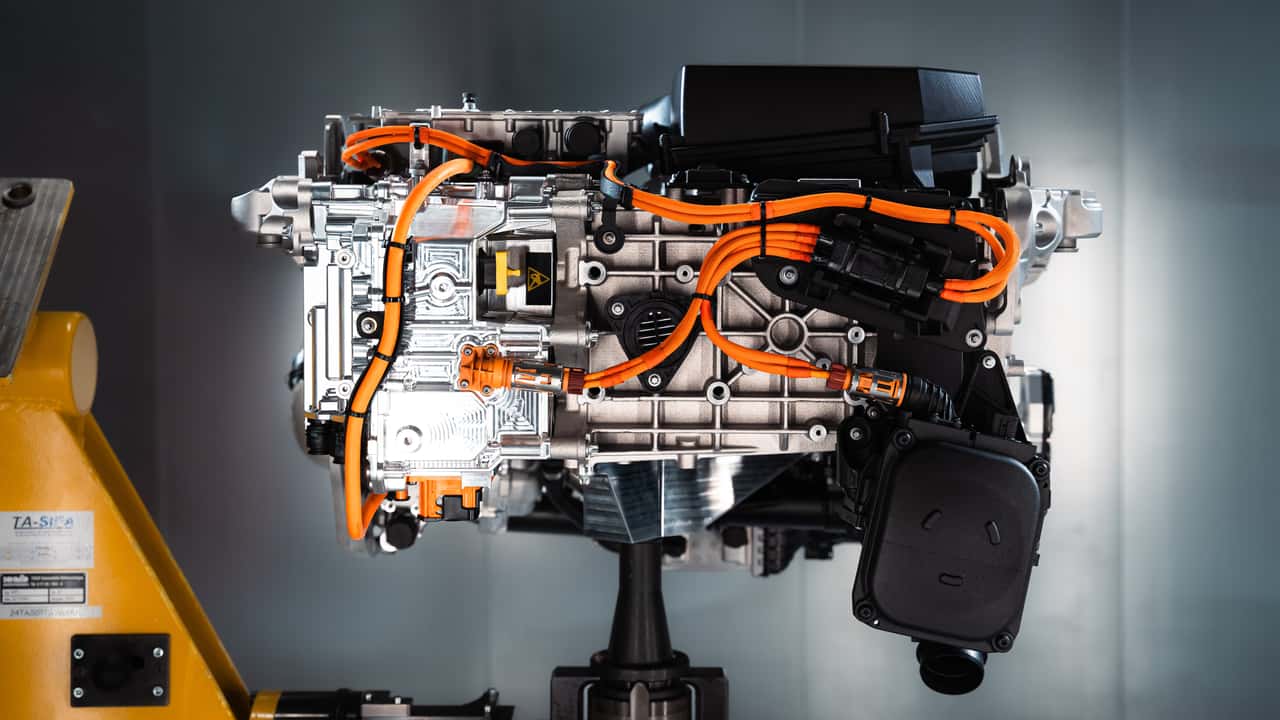
In the past 20 years, the automotive world has been coccooned in a chrysalis that will eventually transition us away from a landscape dominated by fossil fuels, into a greener age of renewable energy and net-zero emissions.
But the future still isn’t clear; we still have no idea what the best alternative to the good, old-fashioned combustion engine will be. As things stand, a frontrunner has emerged. Electric has been, without a doubt, the most widely adopted alternative, but the rest pack is still stacked full of competitors that continue to innovate year on year, so it’s still all to play for.
Electric Vehicles (EV’s)
Electric cars have been in development for decades at this point, and they’ve come along leaps and bounds ion the past 20 years, in terms of both their range and their speed. There are plenty of benefits of electric cars, but here are just a few: Their acceleration is faster than that of traditional cars, they’re quieter, and, nowadays, perhaps depending on where you live, you’ll likely have plenty of charge points nearby.
The main downside of electric vehicles is that, although the range has improved, it’s still inferior in that regard to traditional cars, and on top of that, you won’t be able to simply recharge within a matter of minutes. Tesla’s so-called ‘superchargers’ offer the best option here – they claim to give a car 200 miles of range in 15 minutes, but it will still take an hour to fully charge.
These superchargers aren’t exactly available on every street corner either. If you’re using a Care Park car park in London, you might be alright, but if you’re in a small town, or God forbid, the countryside, then you’ll likely need to settle for less efficient charging.
Hydrogen Power
You might not be aware that Hydrogen is already being used for certain forms of transportation. We can find it primarily in trains at the moment, but a select few automotive manufacturers, like Hyundai and Toyota, have successfully built cars that run on the fuel, though limited infrastructure and high production costs remain the main hurdles. Aside from that, there are some valid safety concerns, as the gas in cars is stored in a compressed state that can risk explosions – especially in the case of an accident.
On the other hand, the upsides of hydrogen are that it is a very abundant, clean element that can be sourced from anywhere in the world, including in water. It can also be used as a replacement for natural gas in boilers, and tests are underway to see how it performs
Biofuel
Biofuels, like Bioethanol and Biodiesel, are made from all sorts of different natural substances, from rapeseed to sugarcane. The primary benefit is that they can be used as a direct fuel replacement in internal combustion engines, which means that any ordinary petrol or diesel-powered car will be able to use biofuel instead.
These days, the primary drawback is that it’s difficult to mass-produce, so it’s unavailable for the majority of people, whether they’re based in major cities or just parking at Haywards Heath Station.